
Heart disease is often thought of as a men’s health issue, yet cardiovascular disease is the leading cause of death in women post-menopause.
One of the key reasons for this is the decline in oestrogen, a hormone that has protective effects on the heart and blood vessels. Understanding this connection can help us make informed choices that support our long-term cardiovascular health.
The Role of Oestrogen in Heart Health

Oestrogen plays a significant role in maintaining cardiovascular function by:
Supporting healthy cholesterol levels – It increases levels of HDL (“good” cholesterol) while reducing LDL (“bad” cholesterol), helping to protect against arterial plaque buildup.
Maintaining blood vessel flexibility – Oestrogen helps blood vessels remain elastic and relaxed, which supports healthy circulation and blood pressure regulation.
Reducing oxidative stress – As a natural antioxidant, oestrogen helps combat damage to the cells lining the blood vessels.
Lowering inflammation – Chronic inflammation contributes to heart disease, and oestrogen helps keep inflammation in check.
As oestrogen levels decline during menopause, these protective effects diminish, increasing the risk of high blood pressure, arterial stiffness, and adverse changes in cholesterol levels. However, diet and lifestyle strategies can help counteract these effects and support cardiovascular health.
Key Nutrients for Heart Health in Menopause
Nutrition is a powerful tool in protecting your heart. Here are five key nutrients that play a crucial role:
1. Omega-3 Fatty Acids
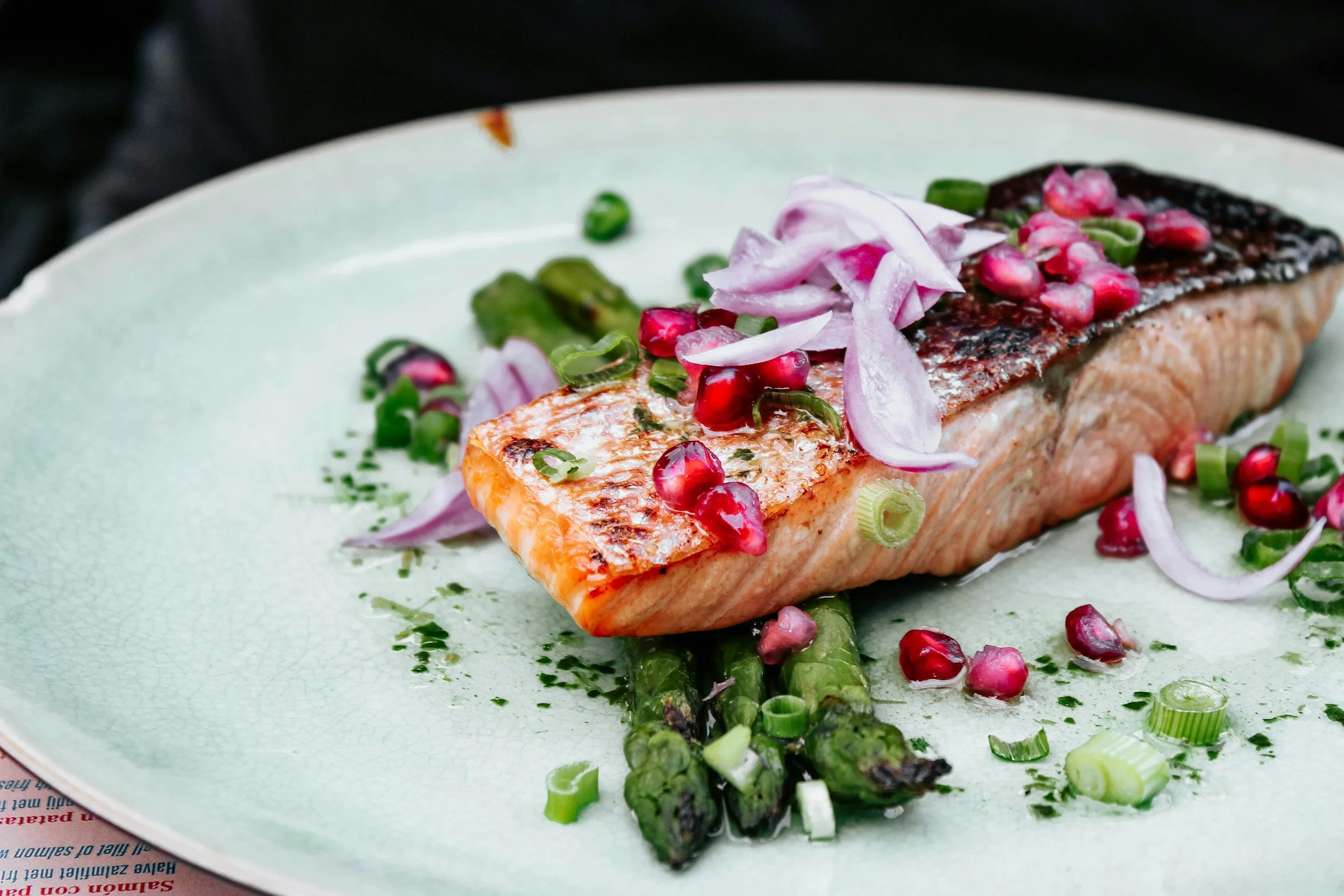
Omega-3 fats have been extensively researched for their cardiovascular benefits. They help reduce inflammation, lower blood pressure, and improve lipid profiles by decreasing triglycerides and LDL cholesterol.
Sources: The most effective omega-3s (EPA and DHA) are found in oily fish such as salmon, mackerel, sardines, and anchovies. Plant-based sources, such as flaxseeds, chia seeds, hemp seeds, and walnuts, provide ALA, which the body can convert (though inefficiently) into EPA and DHA.
Practical Tip: Aim for two servings of oily fish per week. If you follow a plant-based diet, consider an algae-based omega-3 supplement to ensure sufficient intake.
2. Vitamin C
Beyond its well-known immune-supporting properties, vitamin C is a potent antioxidant that helps protect blood vessels from oxidative stress. It also plays a role in collagen synthesis, supporting arterial integrity.
Sources: Citrus fruits, bell peppers, strawberries, kiwi, and dark leafy greens.
Practical Tip: Increase your intake by including a variety of colourful vegetables in your meals. A simple way to achieve this is by making half your plate vegetables at lunch and dinner.
3. Magnesium
Magnesium is essential for maintaining a healthy heart rhythm, relaxing blood vessels, and regulating blood pressure. Many women are deficient in this mineral, especially during menopause.
Sources: Leafy greens (spinach, Swiss chard), pumpkin seeds, sesame seeds, black beans, quinoa, halibut, and dark chocolate (70% or higher cacao content).
Practical Tip: Add a handful of pumpkin seeds to your yogurt or salads, and include magnesium-rich grains like quinoa in your meals.
4. Coenzyme Q10 (CoQ10)
CoQ10 is involved in energy production within cells, particularly in the heart muscle, which has high energy demands. It also acts as an antioxidant, protecting blood vessels from damage.
Sources: Small amounts are found in oily fish, red meat, organ meats, whole grains, and nuts. However, levels decline with age.
5. Vitamin D
Vitamin D is increasingly recognized for its role in cardiovascular health, particularly in blood pressure regulation and inflammation reduction. Many people in the UK have low vitamin D levels, particularly during the winter months when sunlight exposure is minimal.
Sources: The primary source of vitamin D is sun exposure, but it is also found in very small quantities oily fish and egg yolks.
Practical Tip: Aim for 15–20 minutes of sun exposure on bare skin daily (when possible) and include a vitamin D supplement during the winter months.
Lifestyle Strategies for Heart Health
While diet plays a fundamental role in cardiovascular protection, other lifestyle factors are equally important:
Stay Active – Regular exercise helps improve circulation, regulate blood pressure, and support a healthy weight. A combination of aerobic exercise (such as brisk walking, swimming, or cycling) and strength training is ideal.

Prioritise Sleep – Poor sleep can contribute to inflammation, insulin resistance, and elevated blood pressure. Aim for 7–9 hours of quality sleep per night.
Manage Stress – Chronic stress raises cortisol levels, which can negatively impact heart health. Mindfulness, yoga, deep breathing, and time in nature can help regulate stress hormones.
Reduce Ultra-Processed Foods – Diets high in refined sugars, trans fats, and excess salt increase inflammation and strain the cardiovascular system. Focus on whole, nutrient-dense foods instead.
Takeaway
Menopause marks a time of significant change for heart health, but with the right nutrition and lifestyle strategies, you can actively protect your cardiovascular system. Ensuring an adequate intake of omega-3s, vitamin C, magnesium, CoQ10, and vitamin D—alongside regular movement, good sleep, and stress management—can go a long way in keeping your heart strong and resilient.
If you're concerned about your heart health or want a personalised approach to nutrition during menopause, consider working with a qualified nutritionist to create a plan tailored to your needs. Small, consistent changes can make a big difference in the long run.