
Menopause – How to cope with carbs!
Yes we can eat carbohydrates in menopause and lose weight but there are a few things to bear in mind.
As oestrogen levels start to decline, our bodies become less efficient at processing glucose - the sugar molecule found in all carbohydrates. This means that consuming too many of the wrong types of carbohydrate at the wrong time can lead to increased fat storage and reduced fat-burning.
If weight loss is your goal and you suspect carbohydrates might be contributing to your struggles, here are three key factors to consider:
1. Type of Carbohydrates
Not all carbohydrates are metabolised in the same way. Foods like cakes, sugary drinks and white bread fall into the category of simple carbohydrates. These are typically processed foods that are quickly digested, causing rapid spikes in blood sugar, which can lead to fat storage.

In contrast, complex carbohydrates like whole grains, vegetables and legumes provide essential nutrients and fibre. They are digested more slowly, offering a gradual release of energy and helping to stabilise blood sugar levels.
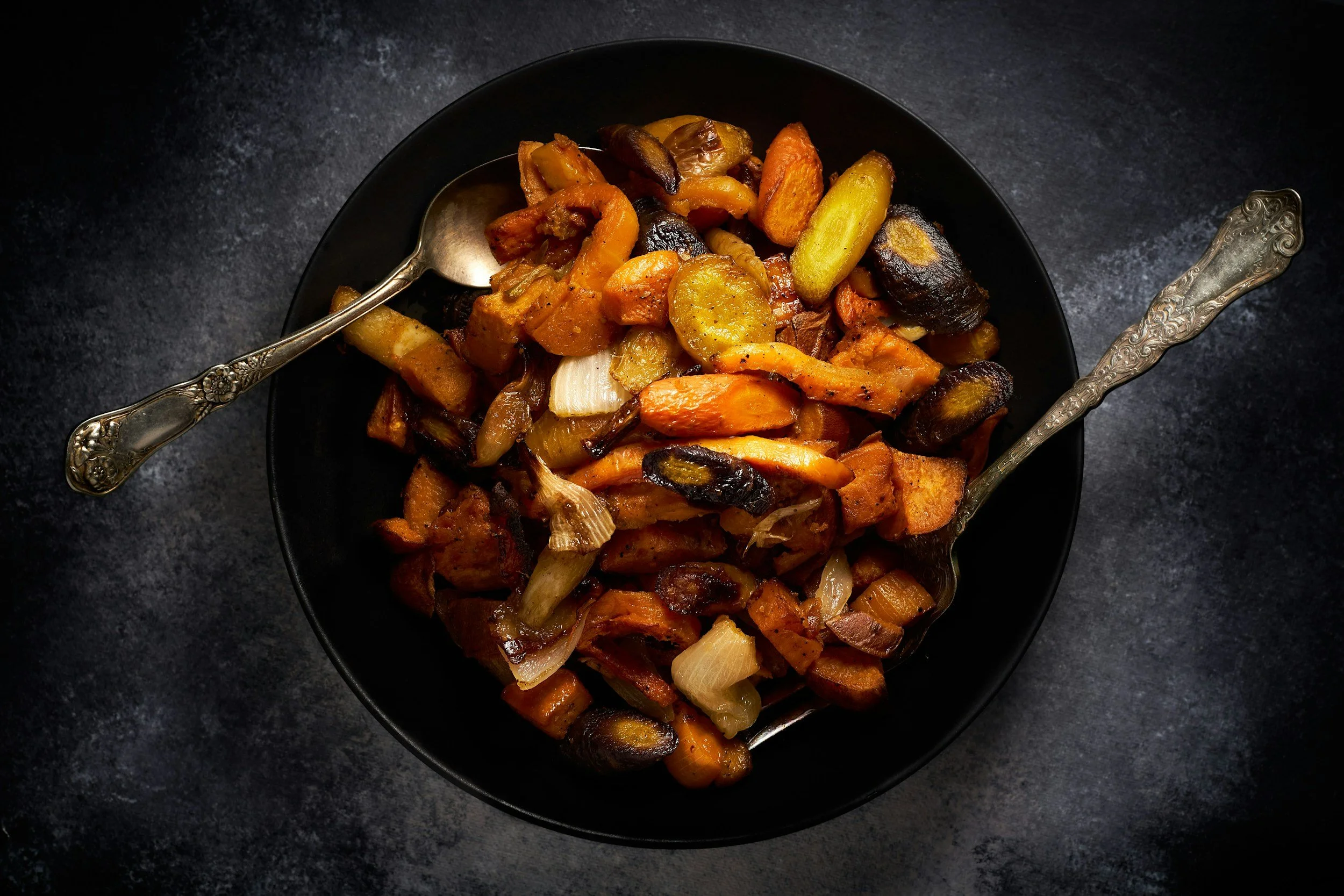
Try to select options like quinoa, root vegetables and legumes. Perhaps swap white rice for roasted cauliflower, choose beans and pulses instead of pasta and always include lots of green leafy vegetables.
2. Quantity of Carbohydrates
The amount of carbohydrates we consume in each meal can impact the body's ability to store or burn fat.
A large serving of carbohydrates, even complex carbs, if they are eaten alone can cause a surge in insulin, our storage hormone, which will tell the body to store away the sugar in our liver, muscles and fat cells.
Be mindful of your portion size and always enjoy your carbohydrates with food that contains protein. This will slow down the release of sugar into the blood and minimise the opportunity to store fat.
Putting all of this into practice is easier when you have a plan. My free Meal Planning for Menopause guide includes meal ideas and recipes that balance the right types of carbohydrates with protein and plenty of nutrients to support your hormones.
3. Timing of Carbohydrate Intake
Research suggests that the timing of carbohydrate consumption can influence weight management. Our bodies are generally better at processing carbohydrates earlier in the day, which means that morning intake is less likely to be stored as fat.
You might decide to include oats, legumes and root vegetables with breakfast and lunch but focus on protein and vegetables for your evening meal.
You could also consider timing your carbohydrates around your activity / exercise classes – this is a key part of a menopause meal plan.
4. Get Personal
It's important to recognise that everyone’s body responds differently to carbohydrates. Some people might experience significant blood sugar spikes from foods like bananas or bread while others do not. This individual variation means a one size fits all approach may not be effective.
Simply keeping a food diary and paying attention to how you feel after meals consider your energy levels, mood and hunger this can often be revealing. If you want to go further, a continuous glucose monitor can give you a more detailed picture of how specific foods affect your blood sugar, which may be useful for fine tuning your diet.
5. Stay Balanced

Carbohydrates taste good and they make us feel good too! Carbohydrates can influence the production of serotonin, a neurotransmitter that promotes feelings of wellbeing and happiness. Serotonin synthesis in the brain depends on the availability of tryptophan, an amino acid that competes with other amino acids to cross the blood-brain barrier. Carbohydrate intake helps by triggering insulin release, which reduces the levels of competing amino acids in the bloodstream, allowing more tryptophan to enter the brain and boost serotonin production.
This can be particularly relevant during menopause, when hormonal fluctuations can lead to low moods and anxiety.
Ensure your diet includes a balance of the right types of carbohydrates to support serotonin production. This aligns with broader goals of nutrition advice for midlife and healthy aging through nutrition.
If you'd like support working out what your diet should look like during menopause, carbohydrates and everything else!, I'd love to help.
Carbohydrates can be a part of a healthy diet during menopause, but it’s crucial to choose the right types, monitor your portions and time your intake strategically. By focusing on these aspects, you can enjoy the benefits of carbohydrates while supporting your weight management goals and maintaining a positive mood. Embracing a hormone-balancing diet and personalised nutrition plans can help you navigate menopause with better energy levels and improved overall health.
If you’re not ready to work with me but would like to read more about how nutrition can help with your menopause symptoms I have a free download that you might find interesting.